Stripes are a timeless design choice, celebrated for their versatility and ability to elevate a room’s aesthetic with a touch of personality and movement. Whether you’re leaning into bold, contrasting stripes for drama or soft, tonal ones for subtle texture, understanding how to integrate these classic stripe patterns into your decor can transform your space in creative, unexpected ways. Here’s Rent.’s guide on how to bring stripes into your Nantucket home, your Lansing, Michigan apartment, or Birmingham, AL rental home, with purpose and flair.

Harnessing the appeal and power of stripe patterns
Stripes have a unique way of adding energy and sophistication to any space. Their clean, defined lines create movement, structure, and depth, making them a versatile choice for any design style. When utilized to their full potential, stripes offer endless possibilities for transforming a room.
1. Create visual interest with vertical and horizontal stripes
Vertical stripes are known for creating the illusion of height, vertical stripe patterns are ideal in spaces with low ceilings. They elongate walls and add a sense of grandeur. Try them in areas like entryways or narrow hallways to draw the eye upward and make the space feel open.
On the contrary, horizontal stripes make a room appear wider and add a sense of calm. Wide horizontal stripes work beautifully in large living spaces or bedrooms, helping rooms feel expansive without overwhelming the senses.
2. Mix and match stripe sizes for depth
Layering various stripe widths adds a rich, dimensional look to a room. Start with a dominant stripe, like a bold, wide design on an accent wall, then complement it with smaller, more delicate stripes on furniture or accessories.
For a modern, cohesive look, use a consistent color palette but vary the stripe sizes. For example, wide navy and white stripes on a feature wall would pair nicely with thin, subtle stripes on pillows and throws in similar hues.

3. Stripes as accent features
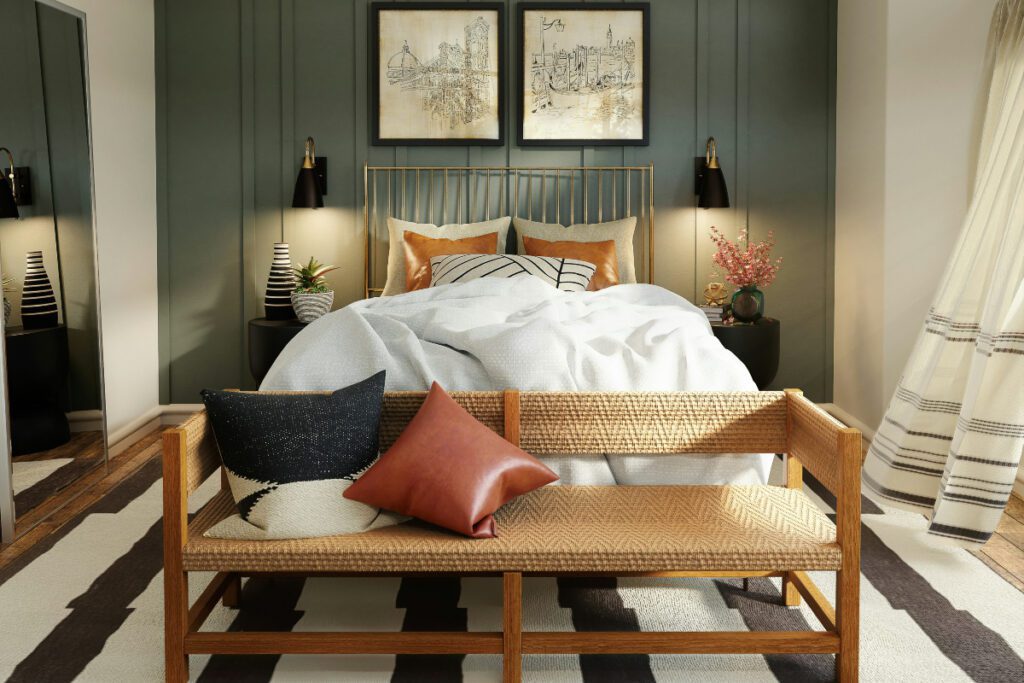
- Striped rugs: A striped rug can ground a room and become a focal point. In a neutral room, a bright, contrasting striped rug can add energy, while a monochromatic stripe can enhance a minimalist look. Striped runners work well in hallways and narrow spaces, guiding the eye and adding flow.
- Curtains and drapes: Vertical stripes on drapes can add height to a room and draw natural light in a beautiful way. Opt for subtle stripes that blend with the room’s color scheme for an elegant look, or go bold with high-contrast colors for an eye-catching statement.
4. Experiment with color in your stripe patterns
Move away from traditional black-and-white stripes and experiment with unexpected colors. Think of a pair of peach and olive stripes for a cozy, retro vibe or lavender and deep plum for a chic, modern touch.
For a more relaxed look, try stripes in muted tones like pastels or earth tones. These hues can bring a soft energy, making the stripes feel more textural than bold.

5. Play with directional stripes on furniture
Stripes on furniture upholstery add character without overwhelming the room. For example, a striped armchair in the living room can bring pattern and texture, while striped bar stools in the kitchen add visual interest. Mixing stripe directions — such as vertical stripes on a sofa paired with a horizontally striped ottoman — adds a dynamic look that feels curated rather than chaotic.

6. Incorporate stripes in smaller details
- Artwork and accessories: Smaller striped pieces, like throw pillows, blankets, or vases, are perfect for adding a pop of pattern. These elements make it easy to try out stripes without committing to a larger design change.
- Wall art: Frame artwork that features stripes or lines, or go for DIY options like a simple painted stripe wall. Using stripes in artwork brings a touch of sophistication and is easy to swap out or rearrange as your tastes evolve.
7. Spice up your walls
Wallpaper with stripe patterns can add warmth and visual depth without needing extra decor. Try removable wallpaper for a renter-friendly option that is perfect for adding visual interest while keeping walls damage-free.
8. Think beyond traditional lines
Looking beyond traditional stripes offers a unique take on tradition. Chevron and herringbone patterns are a twist on classic stripes, bringing rhythm and texture in a softer, zigzag form. These can be used on floors, backsplashes, or even ceiling treatments.
Consider incorporating curved or wavy stripes for a playful, artistic feel. Softly undulating stripes on textiles or wallpaper create movement and can make a room feel serene and lively.

Image courtesy of Barnett Home Decor
What the experts are saying about stripes
“Stripes naturally create a sense of movement, guiding the eye around the space, which helps draw attention to specific areas. This sense of movement can give a smaller room the illusion of being larger. Stripes play well with other patterns like florals, geometrics, or solids. Layering different textures and patterns with striped decor allows you to create depth and visual interest without overwhelming the space. Stripes are timeless and universal. Your tastes may evolve over time, interior design trends may come and go, but a striped piece is likely to be something you can keep or reuse as you refresh your decor over time.”
– Melissa Mahon, Barnett Home Decor
“When decorating with stripes, consider the scale and orientation: larger stripes can create a bold statement, while smaller stripes tend to feel more subtle. Vertical stripes can make a room feel taller, while horizontal stripes can widen a space. Balance is key, so mix stripes with solid colors or patterns to avoid overwhelming the eye!”
– Alyssa, Sweet JojoDesigns
“Stripes are a versatile way to introduce pattern into your décor. Not only do they add depth and texture to your home, but they also seamlessly blend with other patterns you may already have. The effects of stripes in your room vary, they can broaden a narrow room or guide the eye along a pathway, such as up a staircase or across the walls. You can incorporate stripes in many ways, from bold choices like wallpaper and rugs to more subtle pieces like bar stools or cushions, depending on the level of impact you want to make. Ultimately, stripes are a classic, universally loved pattern that can effortlessly elevate your décor.”
– Gabriella James‘ team

The endless versatility of stripe patterns in design
Stripes are one of the most flexible and visually impactful patterns in interior design. From classic vertical and horizontal applications to experimental twists, stripes can bring structure, elegance, and personality to any room. So whether you’re aiming for a minimalist vibe or a bold statement, embracing stripes in your home is a design decision that always pays off.
The post Line by Line: Mastering the Art of Stripe Patterns in Interior Design appeared first on The Rent. Blog : A Renter’s Guide for Tips & Advice.